
The Sinking City 2 Bewertung — Lovecraftian Survival Horror, das stark von Resident Evil inspiriert ist
6.8 Dmitry Kartashov
Der Zustand des Survival-Horror-Genres auf dem Gaming-Markt ist derzeit gemischt. Einerseits sind beliebte Launcher mit Dutzenden von Projekten unterschiedlicher Tiefe gefüllt. Andererseits betrifft dies hauptsächlich den Indie-Bereich mit all seinem begleitenden Gepäck: "Billigkeit," eine Vielzahl von groben Kanten, einfache stilisierte Grafiken und so weiter. Darüber hinaus gibt es hier weit mehr "Walking-Simulatoren" mit Horrorelementen, und einen anständigen Survival-Horror zu finden, ist eine große Herausforderung.
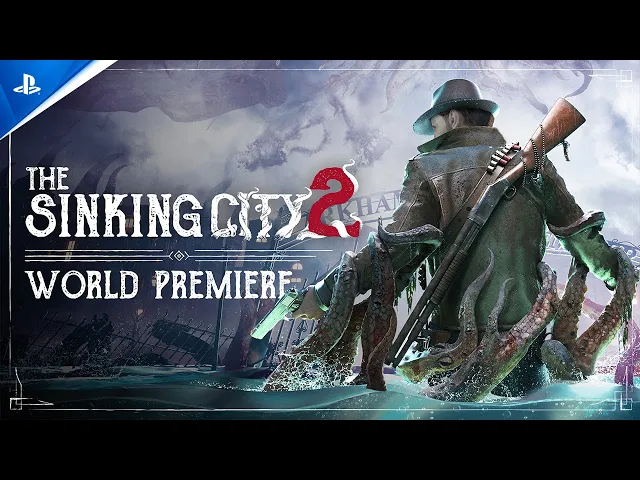
Der AAA-Bereich erfreut sich hauptsächlich nur an zwei östlichen Franchises, die das Genre praktisch monopolisiert haben — Resident Evil und Silent Hill. Jede neue Folge dieser Serien ist ein Ereignis, aber die Abstände zwischen den Veröffentlichungen sind in der Regel sehr lang. Kurz gesagt, Fans solcher Spiele müssen oft warten und hoffen, dass ein neues, ansprechendes und interessantes Projekt auftaucht. Und es scheint, dass eines endlich angekommen ist — in Form des zweiten nummerierten Teils der The Sinking City-Serie von Frogwares, die den Lovecraftian-Mythen gewidmet ist. Aber ist es wirklich so einfach?
Plattform: PC (Ryzen 5 7500F, NVIDIA RTX 4070 Ti Super, 32 GB RAM);
Spielzeit: 8 Stunden.
Systemanforderungen
Minimal: Intel Core i7-8700K / AMD Ryzen 5 3600X, NVIDIA GeForce GTX 1070 (8 GB) / AMD Radeon RX 5700 (8 GB), 16 GB RAM, 70 GB Speicherplatz;
Empfohlen: Intel Core i5-14600K / AMD Ryzen 5 7600X, NVIDIA GeForce RTX 4070 Ti (12 GB) / AMD Radeon RX 7900 XT (12 GB), 32 GB RAM, 70 GB Speicherplatz.
Geschichte und Einführung in die Welt

Ein wichtiges Detail: Das Spiel ist für diejenigen konzipiert, die mit den zentralen Erzählungen und dem Lore von Howard Phillips Lovecrafts Werken vertraut sind. Viele Namen, Titel und Begriffe, die für die Handlung entscheidend sind, werden hier nicht direkt erklärt, sondern werden erwähnt, als ob sie "nebenbei."
Die Geschichte von The Sinking City 2 erzählt eine völlig eigenständige Erzählung und ist fast nicht mit dem ersten Spiel verbunden. Im Mittelpunkt der Geschichte steht ein neuer Protagonist — Calvin Rafferty, ein okkulten Forscher und Privatdetektiv.
Während einer gescheiterten Expedition in die Traumländer (Anmerkung des Autors — eine parallele fantastische Dimension aus Lovecrafts Werken; nur bestimmte Menschen mit starker Vorstellungskraft können sie im Schlaf betreten), führte Calvin ein okkultes Ritual durch, das nicht wie beabsichtigt verlief. Infolgedessen wurde das Bewusstsein seiner geliebten Partnerin — Faye Bennett — im übernatürlichen Reich gefangen, während ihr physischer Körper ins Koma fiel.

Um Faye wieder zum Leben zu erwecken, muss Calvin ein neues uraltes Ritual durchführen. Zu diesem Zweck reist er in die unheilvolle Stadt Arkham, wo, Gerüchten zufolge, das notwendige Wissen verborgen ist. Als der Held ankommt, ist die Stadt von einer mystischen Flut erfasst, die Bevölkerung wird evakuiert, und aus den Tiefen tauchen Würmer auf, die Leichname erfassen und wiederbeleben.
Die Geschichte ist nicht der ansprechendste Aspekt des Projekts. Sie fühlt sich eher wie ein Häkchen an (obwohl das Spiel manchmal versucht, das Gegenteil zu beweisen) — eine Möglichkeit, das Gameplay zu rechtfertigen und einen "Hintergrund" für die sich entfaltenden Ereignisse zu schaffen. Ein offensichtlicher Vergleich kommt sofort in den Sinn — "ungefähr wie in Resident Evil." Und das ist bei weitem nicht das letzte Mal, dass ich diese Parallele ziehen werde.
Viele Handlungsdetails werden fragmentarisch vermittelt — durch Rückblenden. Und der "Hintergrund" der Welt muss hauptsächlich durch zahlreiche Notizen erlernt werden.
Kern-Gameplay: Aus Fehlern lernen

Bevor wir den Gameplay-Aspekt des Spiels aufschlüsseln, lassen Sie uns kurz daran erinnern, wie der erste Teil war.
Es war ein gemischtes Bild — sowohl Journalisten als auch Spieler nahmen es mit Zurückhaltung auf und kritisierten oft viele der Entscheidungen der Entwickler. The Sinking City war ein Action-Adventure in der dritten Person: eine Mischung aus Survival-Horror und Detektivspiel.
Im Verlauf der Geschichte suchte der Spieler nach Hinweisen, studierte Archive, besuchte die Gedankenpaläste und nutzte auch eine spezielle magische Vision, um versteckte Zeichen zu erkennen und die Chronologie vergangener Ereignisse zu rekonstruieren. Das Detektivelement war vielleicht der beste Teil des Spiels — es hielt Ihnen nicht die Hand, setzte keine Marker auf die Karte, sondern ermutigte Sie, die Informationen zu lesen, sie zu vergleichen und Schlussfolgerungen zu ziehen. Viele dieser Mechaniken wurden von einem anderen Frogwares-Franchise — Sherlock Holmes — in The Sinking City übernommen.

Aber die andere "Facette" des Projekts — die, die dem Survival-Horror gewidmet ist — wurde viel schlechter umgesetzt. Das Schießen fühlte sich "hölzern" und ungeschickt an, die Animationen der Feinde waren grob, und die Hitboxen waren schief. Die erkundbare Stadt, obwohl sie scheinbar weitläufig ist, war leer und monoton. Darüber hinaus wurde alles durch mühsames Zurücklaufen verstärkt.
Offensichtlich haben die Entwickler die Kritik studiert und beschlossen, aus ihren Fehlern zu lernen: Die Überlebensmechaniken in The Sinking City 2 wurden erheblich verfeinert. In Bezug auf das Gameplay ist es extrem nah an den Remakes von Resident Evil: eine über die Schulter gerichtete Kamera, begrenzte Ressourcen (Heilgegenstände und Munition), Crafting und Orte, die nach dem Metroidvania-Prinzip aufgebaut sind.
Der Spieler muss vier weitläufige Gebiete erkunden — die überfluteten Straßen von Arkham (hier müssen Sie zwischen den Schlüsselpunkten mit dem Motorboot navigieren), ein Krankenhaus, die Handelsdocks und eine antike Nekropole. Der zentrale Gameplay-Zyklus ähnelt ebenfalls sehr Resident Evil: Schusswechsel mit Kreaturen, Ressourcen und Schlüsselgegenstände sammeln, begrenzter Inventarplatz, "sichere Räume" mit Lager- und Speicherpunkten sowie das Lösen von Rätseln, um die Handlung voranzutreiben.
Im Gegensatz zum ersten Spiel fühlt sich das Schießen viel polierter an — obwohl einige Animationen immer noch unnatürlich erscheinen. Der Protagonist nutzt geschickt einen Nahkampfangriff und kann feindlichen Angriffen ausweichen, was an Jill aus Resident Evil 3 erinnert. Das Hauptmerkmal des Kampfsystems ist das Zielen auf verwundbare Punkte an den Körpern der Feinde. Auf Monster zu schießen, ist ineffektiv und verschwendet zu viel Munition, daher muss man präzise auf die Wucherungen zielen, die erscheinen. Übrigens reagieren die Feinde ehrlich auf Treffer — zum Beispiel wird das Schießen auf die Beine dazu führen, dass sie umfallen oder auf die Knie fallen: wieder, genau wie in Resident Evil. Darüber hinaus müssen niedergeschlagene Feinde mit einem Tritt erledigt werden, da sie sonst nach einiger Zeit wiederbelebt werden können: eine ähnliche Mechanik war in der Silent Hill-Serie vorhanden. Einige Orte haben Fallen, die genutzt werden können, um Monster anzulocken.
Der Niedergang der Detektivarbeit und zentrale Probleme des Spiels

Alles, was von der detektivischen Untersuchung des ersten Spiels übrig bleibt, ist ein separates Interface-Menü, das den Gedankenpalast simuliert. Hier müssen Sie Hinweise aus Notizen platzieren und Verbindungen zwischen ihnen herstellen. Abgeschlossene Ketten belohnen Sie mit Upgrade-Punkten. Was das Upgrade-System betrifft — hier gibt es keine Offenbarungen: Zuerst müssen Sie Fähigkeiten freischalten (zum Beispiel erhöhten Schaden, wenn die Taschenlampe eingeschaltet ist, oder mehr Munition beim Crafting erhalten), und dann sie in die begrenzten Slots der Artefaktmaske "Night Shade" einsetzen, die der Charakter bei sich trägt. Zusätzliche Slots werden ebenfalls mit Upgrade-Punkten freigeschaltet. Der zweite Weg, Punkte zu verdienen, sind Versorgungsboxen, die über die Standorte verstreut sind.
Die "Night Shade" selbst kann, nachdem sie mit einer speziellen Ressource aufgeladen wurde, den Protagonisten einmal wiederbeleben, wenn er tödlichen Schaden erleidet. Und auch — ab einem bestimmten Kapitel der Geschichte — zieht Fayes Bewusstsein in die Maske, von wo aus sie mit Calvin als Begleitcharakter kommuniziert. Crafting ist ebenfalls unkompliziert — kombinieren Sie zwei oder mehr Ressourcen und erhalten Sie Heilgegenstände oder Munition im Gegenzug. Die Rätsel in The Sinking City 2 sind viel einfallsreicher als in Resident Evil und erinnern mehr an Silent Hill — sie basieren oft auf Wortspielen und Metaphern.

Die ersten Orte fühlen sich interessant und angenehm an: Sie müssen die Umgebung schrittweise erkunden, Abkürzungen und zusätzliche Durchgänge öffnen, Ressourcen sorgfältig sparen und Kämpfe, wenn möglich, vermeiden. Es gibt auch optionale "Nischen" — deren Besuch belohnt Sie meistens mit Waffen-Upgrades und Inventarerweiterungen. Das Leveldesign hier ist anständig, bleibt aber dennoch hinter der Resident Evil-Serie zurück.
Allerdings beginnt man ab der zweiten Hälfte des Durchspiels zu erkennen: Das Spiel recycelt regelmäßig die gleichen Lösungen. Finden Sie mehrere Teile eines fragmentierten Geschichtsgegenstands, die in abgelegenen Teilen des Standorts verstreut sind, bringen Sie sie zu einem Schlüsselort und lösen Sie ein Rätsel. Dazwischen — Gefechte mit Feinden: Aufgrund der Monotonie der Bedingungen und der geringen Anzahl von Monstertypen wird dies nach einer Weile mühsam. Und gegen Ende jedes Abschnitts — ein Arena-Kampf mit Horden von Feinden. Hier wird es wirklich düster, denn das Überlebenselement wird fast vollständig abgeschafft: In den Arenen gibt es immer mehrere Kisten, in denen Ressourcen "respawnen." The Sinking City 2 verwendet ein adaptives Ressourcensystem — das Spiel bietet genau die Gegenstände, die dem Spieler fehlen, ähnlich wie im Remake von Resident Evil 4. Der letzte Standort ist geradezu faul und uninspiriert: Es ist fast ein Korridor mit zahlreichen Arenen voller Feinde.

Man sieht, dass die Entwickler versucht haben, zu experimentieren und Vielfalt einzuführen: Zum Beispiel trifft der Spieler im Krankenhaus auf ein unbesiegbares Monster, dem er entkommen muss — ein Pendant zu Mr. X oder Nemesis. Allerdings verhindern sein unimposantes Design und die schlechte KI (letzteres gilt übrigens für alle Feinde hier), dass es wirklich beängstigend ist — und am Ende ist es mehr ärgerlich als alles andere. Dennoch gibt es sehr wenige solcher Gameplay-Elemente, und größtenteils folgt das Spiel dem oben beschriebenen Zyklus. Auch die Bosse haben nicht funktioniert: Abgesehen von speziellen Feindtypen, die später zu regulären Gegnern werden, gibt es nur zwei von ihnen — und jeder Kampf ist ziemlich einfach und unauffällig.
Darüber hinaus fehlt The Sinking City 2 völlig eines der zentralen Merkmale von Lovecraftian-Projekten: die Wahnsinnsmechanik. Im ersten Spiel war sie übrigens vorhanden: Wenn der Protagonist Monster, Leichname sah oder mystische Vision verwendete, wurde er allmählich verrückt — unheimliche Halluzinationen und Phantome erschienen, die ihn angreifen konnten.

Obwohl der zweite Teil technisch deutlich verfeinert ist als der erste, haben die Entwickler nicht alle groben Kanten beheben können. Gelegentlich treten Textur-Kollisionen und schiefe Hitboxen auf — Fernangriffe von Feinden gehen oft durch Wände, und Sie können Schaden erleiden, während Sie ausweichen, selbst wenn es keinen visuellen Treffer gab. Die Grafiken haben ebenfalls Probleme: Sie wurden sicherlich "aufgerüstet," und auf den ersten Blick sieht alles anständig aus. Aber mit der Zeit werden die schlechten Texturen, "plastilinartigen" Modelle, groben Gesichtsanimationen und verschiedene grafische Artefakte zu offensichtlich. Darüber hinaus läuft das Spiel auf einer aktuellen Version der Unreal Engine 5 und ist ziemlich anspruchsvoll — die standardmäßigen "Engine-Wehwehchen" (Ruckler, Einfrierungen, plötzliche Frame-Drops) sind vorhanden.
Nach dem Abschluss des Spiels öffnet sich ein Bonus-Shop: Hier können Sie mit speziellen Punkten, die Sie für das Abschließen verschiedener Herausforderungen im Spiel verdienen, neue Kostüme, zusätzliche Waffen und unendliche Munition kaufen. Noch einmal — genau wie in Resident Evil.
Die ewige Genre-Debatte: Welche Überlebenshorror-Formel spricht dich mehr an?
***
Eine Aufgabe für die aufmerksamsten und gewissenhaftesten: Wie oft habe ich in dieser Bewertung das Spiel mit Resident Evil verglichen? Und nicht ohne Grund: Die Hauptinspirationsquelle für die Entwickler wird innerhalb der ersten Stunden des Spiels offensichtlich. Aber gleichzeitig — The Sinking City 2 erreicht objektiv nicht die von Capcom gesetzte Messlatte, und es gibt hier sehr wenig von seinem "Eigenen" — einzigartig und ungewöhnlich.
Das Ergebnis ist — nein, kein schlechtes Spiel, sondern ein sehr zurückhaltendes Projekt, mit einer maximalen Bewertung von "überdurchschnittlich." Das Spiel hat derzeit sehr hohe Bewertungen auf beliebten Aggregatoren, daher habe ich persönlich die Meinung gebildet, dass es etwas überbewertet ist. Ja, es ist nur ein AA-Projekt, das im Budget erheblich hinter den Spielen von Capcom oder Konami zurückbleibt, aber es geht nicht nur um Grafiken und technische Ausführung. Die Geschichte ist durchschnittlich: weit entfernt von der Hoffnungslosigkeit und dem "kosmischen Schrecken" von Lovecrafts ursprünglichen Werken; in der Folge fühlt sich das gewählte Setting unterentwickelt und unausgereift an. Das Gameplay kopiert die meisten Ideen von Resident Evil, fällt aber oft in der Ausführung kurz.
Dennoch — das Spiel ist einen Blick wert, wenn Sie Survival Horror lieben. Auch wenn es gegen die großen und etablierten Franchises verliert, sieht es weitaus ansprechender aus als die Hunderte von "billigen Horror-Spielen" von Indie-Entwicklern.
"