
1666: Amsterdam Vorschau — Neues Spiel von einem der Köpfe hinter Assassin's Creed
 Azat Muzafarov
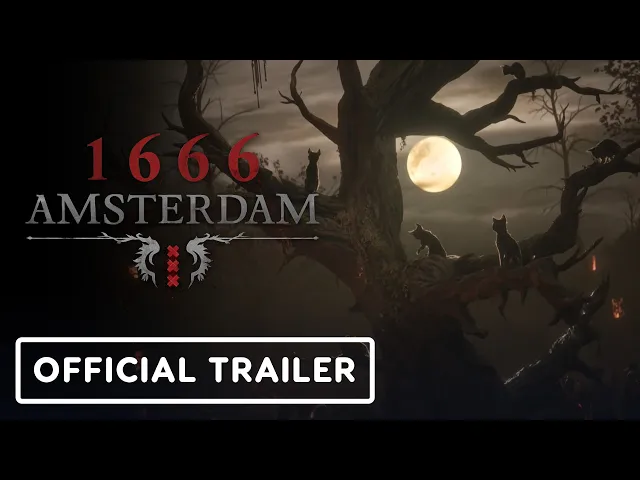
Das Spiel wird von Patrice Désilets entwickelt — einem der Schöpfer von Assassin's Creed. Nachdem er Ubisoft verlassen hatte, begann er, an dem Projekt bei THQ Montreal zu arbeiten. THQ ging dann bankrott, und Ubisoft kaufte das Studio zusammen mit den Rechten an dem Spiel. Was folgte, war ein jahrelanger Streit zwischen Désilets und dem Publisher über die Kontrolle des Projekts, der erst 2016 endete, als die Rechte an 1666: Amsterdam an den Entwickler zurückgegeben wurden. Diese Vorgeschichte allein ist bereits eine anständige Werbung. Wenn jemand so viele Jahre für ein Spiel gekämpft hat, wartet sicherlich etwas wirklich Besonderes auf uns?
Aber dann startest du den Prolog, und das Spiel begrüßt dich mit einer toten Ziege (im wahrsten Sinne des Wortes), Flüstern und ruckeligen, unangenehmen Steuerungen. Schon zu Beginn, im Bibliotheksbereich, zeigen sich kleine Unebenheiten mit der Kamera, der Bewegung und der Logik der Hinweise. Du löst nicht wirklich ein Rätsel, sondern bewegst dich gehorsam zwischen gelben Markierungen, während das Spiel dich von einem erforderlichen Punkt zum nächsten führt. Für einen Prolog, der dazu gedacht ist, „das Spiel zu verkaufen“, ist das eine ziemlich effektive Möglichkeit, das Interesse gleich zu Beginn zu töten.
Mindestanforderungen: Intel Core i5-8400 / AMD Ryzen 5 2600, NVIDIA GeForce RTX 2060 / AMD Radeon RX 5700 XT, 16 GB RAM, 50 GB verfügbarer Speicherplatz (SSD);
Empfohlen: Intel Core i7-10700K / AMD Ryzen 7 3700X, NVIDIA GeForce RTX 3070 / AMD Radeon RX 6800 XT, 32 GB RAM, 50 GB verfügbarer Speicherplatz (SSD).
Die Eröffnung des Spiels in der Bibliothek
Der größte Teil der Demo ist die gegenwärtige Handlung mit einem Mädchen namens Clio. Sie kommt in die Bibliothek, spricht mit einem Professor, sucht nach Informationen über den Brief ihres Vaters, bewegt sich zwischen Abteilungen, Regalen, Treppen, dem Tisch am Kamin und all dieser museumartigen Dekoration. Die Szene hätte für sich allein funktionieren können, wenn sie ein Gefühl von echtem Suchen vermittelt hätte. Aber das Spiel packt dich oft an der Hand und zieht dich viel zu oft mit. Selbst dort, wo es dem Spieler hätte erlauben können, die Dinge ruhig herauszufinden, hat es bereits die Antwort umkreist, hervorgehoben und dir praktisch ins Ohr geflüstert. Wenn Sie mehr an Abenteuern interessiert sind, die Sie nicht nur mit ihrer Prämisse, sondern auch mit ihrer Ausführung fesseln, haben wir 120 beste Abenteuer-Spiele auf PC, PS5, Xbox und Nintendo Switch.
Und dann gibt es diese seltsame Bewegung: wenn Charaktere nebeneinander gehen, wenn sie sich arm in arm verbinden, wenn sie einfach von Punkt A nach Punkt B gehen müssen — alles sieht so aus, als hätten die Körper in der Szene nicht genug Platz. Es wirkt unbeholfen und an manchen Stellen geradezu komisch. Es gibt einen Moment, in dem Sie, anstatt dem Dialog zuzuhören, dabei zusehen, wie zwei Personen unbeholfen in einer einzigen Animation zu einer Einheit verschmelzen und sich im Kreis drehen. So etwas tötet die Immersion sofort.
Der Würfel, das Blut und die Notiz des Vaters
Das gesagt, 1666: Amsterdam hat in einzelnen Szenen einige solide Texturen. Nicht das Gesamtkonzept, aber spezifische Teile, die bei Ihnen bleiben. Es gibt einen Brief, der nicht gelesen werden kann. Es gibt alte geschützte Schrift. Es gibt ein Gespräch über ein spezielles Objekt, das helfen soll, den Text zu entschlüsseln. Und es gibt einen seltsamen Würfel, der um den Hals der Heldin hängt, ein Kindheitsgeschenk von ihrem Vater. Zugegeben, sie verbindet kaum eine Sache mit der anderen, was der gesamten Szene die richtige Dosis alltäglicher Absurdität verleiht. Sicher, natürlich, der mysteriöse Würfel ist einfach aus keinem Grund da...
Dann taucht eine Notiz auf, die auf ein heiliges Instrument und Blut von der Hand hinweist. Clio, ohne viel Zeremonie, schneidet sich mit einer Schere in die Handfläche, aktiviert das Ding, und der Brief wird endlich entschlüsselt. Der Moment selbst funktioniert nicht wegen der Subtilität oder Plausibilität — er fesselt Sie mit seiner schieren Abruptheit. Fünf Minuten zuvor haben Sie in Bibliotheksbereichen nach Rembrandt gesucht, und jetzt füttern Sie Ihr eigenes Blut einem antiken Artefakt. So ein Wechsel spricht mich ehrlich gesagt mehr an als alles, was davor kam. Und wenn Ihnen all diese Ritualgeschichte nach etwas wirklich Unheimlichem verlangt, haben wir eine TOP-15 psychologische Horror-Spiele, die garantiert Ihren Verstand brechen.
Das Jahr 1999 und ein Raum, den Sie lieber übersprungen hätten
Als Nächstes kommt die Aufnahme des Vaters, und das Spiel wird ein wenig lebendiger. Er spricht über 1999, über Amsterdam, über ein Hotel, jemanden namens Agnes und darüber, wie ein gewöhnlicher Abend sehr schnell... in ein Ritual umschlägt. Hier bekommt der Prolog endlich einen richtigen Aufhänger. Die Szene hält gut im Kontrast zusammen. Der Mann betritt den Raum mit ziemlich offensichtlichen Erwartungen, aber Relikte sind bereits drinnen ausgelegt, Spiegel sind um das Bett angeordnet, und die ganze Umgebung schreit praktisch: Ein okkultes Ritual steht kurz bevor.
Der lustigste Teil ist, dass der Typ eine Weile merkwürdig ruhig darüber bleibt. Ihm wird gesagt, er solle alte Gegenstände auslegen, die Spiegel überprüfen, und er macht einfach weiter, ohne einen Hauch von Zweifel. Das wirkt ziemlich seltsam.
Der Vater verwandelt sich in eine Katze
Dann wacht der Typ auf... als Katze. Nicht im übertragenen Sinne. Wörtlich als Katze, mit all diesen neuen Empfindungen, mit Fell, mit geschärften Sinnen, mit einem tierischen Drang zu rennen, zu springen und die Welt mit einer nassen Nase zu schnüffeln. Alles um ihn herum schwimmt: eine eingefrorene Agnes, eine Art Wald, ein Ruf von der anderen Seite, eine Frau namens Noa, die seinen Namen kennt und ihn ihre Katze nennt. Das Spiel schlägt plötzlich in die Absurdität um, und ehrlich gesagt, das ist eines der wenigen Dinge im Prolog, die tatsächlich Interesse wecken.
Das gesagt, zeigt sich hier sofort ein weiteres Problem. Technisch gesehen hast du den wildesten Teil des Konzepts erreicht, aber du darfst immer noch kaum tatsächlich etwas davon spielen. Es gibt keinen Kampf im Prolog, keinen echten Lohn für deine Handlungen. Du gehst einfach herum, hörst zu, schaust dir Zwischensequenzen an, hüpfst als Katze zwischen markierten Punkten und wartest darauf, dass das Spiel aufhört, darüber zu reden, wie tief sein Konzept ist, und anfängt, es durch echtes Gameplay zu beweisen. Hast du mehr Fortschritt, Wahl und reichhaltiges Gameplay? Dann schau dir TOP mit den besten RPGs für Low-End-PCs und Laptops an.
Geben Sie Spielen eine zweite Chance nach enttäuschenden Demos (Prologen)?
***
Ich bin überhaupt nicht von dem Konzept selbst gestört — ein Spiel über Hexen, das Jahr 1666, Spiegel, Rituale und ein Mann aus 1999, der in eine Katze verwandelt wird. Das ist zumindest seltsam — und heutzutage hat Seltsamkeit an sich einen Wert, da zu viele Spiele Angst haben, lächerlich auszusehen, und am Ende an Sterilität sterben. Das Problem mit 1666: Amsterdam liegt woanders: Es setzt auf ein interessantes Konzept, schafft es aber nicht, dies durch tatsächliches Gameplay zu liefern. Und wenn Ihr Computer Schwierigkeiten hat, neue Releases wie dieses auszuführen, schauen Sie sich die besten Spiele für Low-End-PCs und Laptops an.
Schlechtes Kamerawork, unbeholfene Bewegungen, aufgeblähter Rhythmus und ein ständiges Gefühl, durch einen Flur mit Wegweisern geführt zu werden — und all das in einer Demo, die Sie fesseln soll. Wir wollten ein Spiel über Hexen im mittelalterlichen Amsterdam sehen und bekamen stattdessen eine lange Einführung mit der Gegenwart, einer Bibliothek, einem Tagebuch und einer sprechenden Katze. Die erste halbe Stunde tut nichts, um zu beweisen, dass die Dinge von hier an besser und interessanter werden.
Nach dem Abschluss der Demo gibt es kein Gefühl, dass wir auf das große Spiel schauen, für das sein Schöpfer über die Jahre gekämpft hat. Vielmehr fühlt es sich an, als hätte ich an einer wirklich seltsamen Idee gekratzt, die nie ganz den Sprung in ein richtiges Spielformat geschafft hat.